



Empowering future learners through immersive AR science
Expected results include increased student engagement and deeper conceptual understanding in STEM topics linked to sustainability and well-being, and improved teacher competence in AR-enhanced, inquiry-based pedagogy. The partnership delivers a reusable toolkit: a teacher guide, a minimum of eight AR lesson prototypes and a set of evaluation instruments, all designed to be adapted to different curricula and languages rather than used as a fixed package. The project strengthens a culture of transnational cooperation between the participating schools and organisations, integrates environmental and addiction-awareness themes into AR learning objects, and produces a sustainability and scaling plan that enables broader adoption beyond the partner schools once the funding period is over.
The project aims to enhance science and mathematics learning for pupils aged 12 to 15 by integrating Augmented Reality into inquiry-based lessons on the environment, climate change and the prevention of addiction. AR is used here for a specific reason: it makes invisible processes visible. A molecule, a water cycle, a statistical distribution or the effect of a substance on the brain becomes something a pupil can turn around, zoom into and question. The project also builds teachers' digital pedagogical capacity, so that the technology is driven by a didactic goal instead of the other way round, and it creates adaptable open AR lesson prototypes that other schools can reuse and modify, over an 18-month Erasmus+ collaboration running from 01/05/2025 to 31/10/2026.
Vision Tree (Belgium) leads the design and delivery of the Brussels workshop, where teachers move from ideas to finished augmented reality lesson material in four intensive days. We coordinate EU-level digital dissemination and visibility, develop and maintain the accessible project web presence, and produce the multimedia storytelling around the project: articles, short videos and social assets that show what AR actually looks like in a classroom rather than in a promotional clip. Vision Tree also assures quality and evaluation for the learning activities, supports inclusion by aligning materials with Universal Design for Learning and providing accessible formats, and facilitates stakeholder outreach, policy dialogue and sustainability planning so that the results continue to circulate after the project closes.
Tomorrow's Climate Pioneers
A Guide for Youth and Youth Workers
Empowering Women to Lead
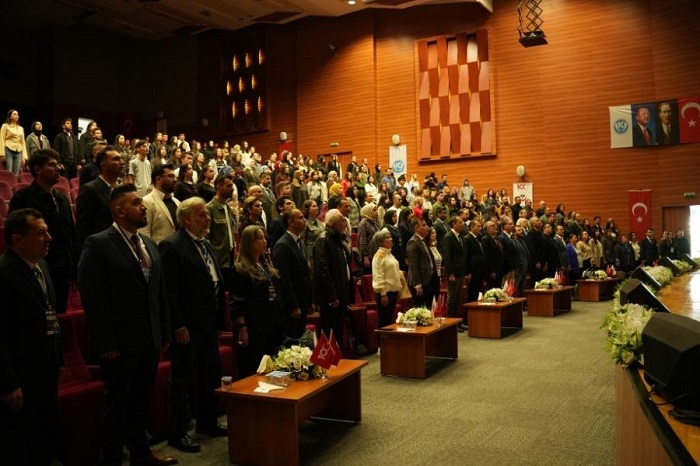
Where Cultural Heritage Meets Modern Care and International Collaboration
Making Chess a Visible Path to Inclusion

Building job-ready cyber skills for all young people.

Confident, connected parents in a digital world.
Copyright © 2023 Techno Office. All Rights Reserved