



Where neuroscience meets the arts for inclusive schools
NeuroArt will deliver a research report summarising the scientific evidence on art, neuroscience and inclusive learning, a set of tested arts-based teaching methods and classroom materials, and training resources for teachers. Teachers will gain practical tools to engage pupils with different needs, and pupils will benefit from lessons that use creativity and the senses to support learning and wellbeing. All results will be shared openly so that schools across Europe can use and adapt them.
NeuroArt aims to make school education more inclusive by developing artistic teaching methods grounded in neuroscience. Research on how the brain learns highlights the value of movement, creativity, emotion and multisensory experience, yet these insights rarely reach the classroom in a usable form. The project translates them into practical, arts-based methods that help teachers reach every learner, including pupils with learning difficulties, special educational needs or disadvantaged backgrounds. It also strengthens teachers' competences and the cooperation between schools, cultural organisations and research partners across Europe.
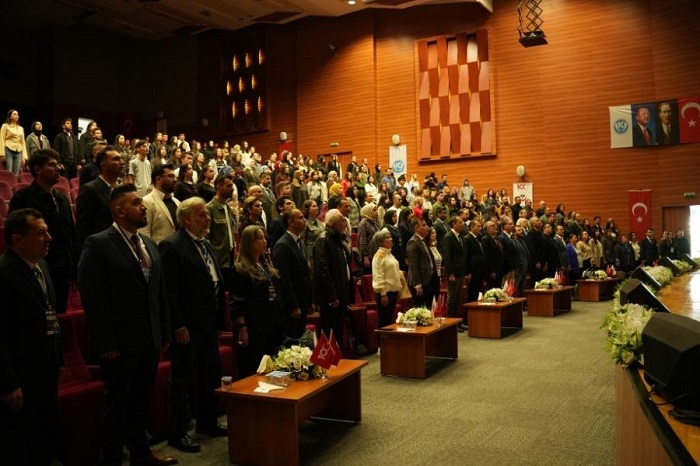
Vision Tree leads Work Package 2 (Research) and acts as the scientific guarantor of the project. Our team carries out a systematic literature review following the PRISMA method on the links between artistic practice, neuroscience and inclusive learning, with two independent reviewers and inter-rater reliability checks to ensure scientific quality. The findings form the evidence base on which the partners build the NeuroArt teaching methods. Vision Tree's clinical psychologists and neuropsychology expertise also support the other work packages, and in October 2026 Vision Tree hosted the first transnational project meeting in Brussels.

Tomorrow's Climate Pioneers

Preventing burnout among youth, youth workers and parents

Empowering Women to Lead
Where Cultural Heritage Meets Modern Care and International Collaboration

Making Chess a Visible Path to Inclusion

Empowering future learners through immersive AR science

Building job-ready cyber skills for all young people.

Confident, connected parents in a digital world.
Shaping digital change around human and ecological values
Copyright © 2023 Techno Office. All Rights Reserved